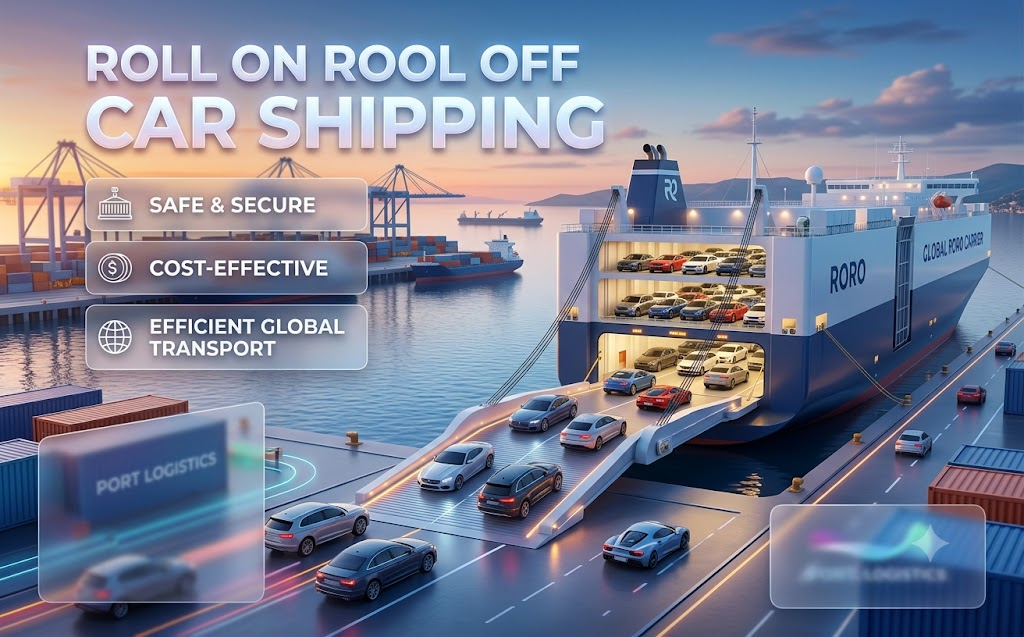
Roll On Roll Off Car Shipping
Navigating the complexities of global automotive logistics requires a deep understanding of specialized transportation methods. Whether you are an automotive manufacturer exporting commercial fleets, a dealership expanding inventory across international borders, or an individual moving a personal vehicle overseas, selecting the right transit methodology is paramount. Among the various solutions available today, mastering the dynamics of roll on roll off car shipping stands out as a critical factor for cost-effective, secure, and highly efficient international transit.
Streamlining this process involves a combination of data-driven planning, regulatory compliance, and reliable strategic partnerships. By analyzing industry metrics, such as operational datasets found within internal logistics logs like TheShipCars.xlsx, companies can drastically reduce transit times and optimize their supply chains. Successfully executing an international shipment depends heavily on understanding port requirements, custom regulations, and the foundational mechanics of modern maritime transport.
Understanding the Mechanics of Modern Vehicle Logistics
At its core, global vehicle transit relies heavily on specialized vessels designed specifically for wheeled cargo. Unlike traditional container shipping, which requires complex loading infrastructure, industrial cranes, and intensive manual stuffing, specialized maritime transit allows vehicles to be driven directly onto the vessel deck via a secure ramp. This method minimizes terminal handling and significantly reduces the risk of structural damage during the loading and unloading phases.
For businesses looking to optimize their supply chains, utilizing optimized lane data—such as the historical transit routes compiled in ShipCarsRORO .xlsx—provides invaluable predictive insights. These data structures highlight high-efficiency ports, seasonal bottlenecks, and optimal departure windows, ensuring your cargo moves along the most predictable path possible.
Why Roll On Roll Off Car Shipping Matters for Global Commerce
In the modern supply chain, predictability and cost-efficiency are the cornerstones of commercial success. When evaluating logistics frameworks, integrating a structured approach to roll on roll off car shipping allows enterprises to balance budget constraints with stringent delivery timelines. Because specialized car carrier vessels maximize internal deck space, shippers benefit from economies of scale that standard container freight simply cannot match.
Furthermore, safety protocols on these vessels are meticulously engineered to withstand rough seas. Vehicles are secured using multi-point lashing systems attached directly to the ship’s heavy-duty deck eyes, neutralizing movement caused by ocean swells. By working with dedicated vehicle shipping specialists like roll on roll off car shipping, logistics managers can leverage seasoned port networks and pre-cleared customs channels, ensuring that compliance hurdles are cleared before the ship even docks at its destination.
+-----------------------------------+-----------------------------------+
| Feature                           | Specialized Maritime Transit      |
+-----------------------------------+-----------------------------------+
| Loading Efficiency                | High (Direct drive-on capability) |
| Cost-Effectiveness                | Optimal for multiple units        |
| Risk of Handling Damage           | Extremely low                     |
| Weather Protection                | Enclosed weatherproof decks       |
+-----------------------------------+-----------------------------------+
Key Factors in Securing an Accurate Financial Estimate
Selecting an international carrier involves analyzing more than just upfront pricing matrices. True operational excellence requires evaluating a provider’s historical performance, communication transparency, and port-side infrastructure. If you are operating within tight commercial timelines, requesting a comprehensive RORO shipping quote UK allows you to accurately forecast total landed costs, including terminal handling charges, documentation fees, and local destination clearance costs.
When assessing technical capability, look for providers that rely on empirical data models to manage scheduling. Platforms utilizing data architectures similar to ShipCarsRORO .xlsx enable real-time tracking, proactive exception management, and accurate ETA projections. This level of transparency protects your capital investment and allows downstream businesses to plan inventory cycles with absolute certainty.
Best Practices to Prepare Your Vehicle for Overseas Transit
Proper preparation is vital to ensuring a seamless shipping experience across international waters. Before handing over a vehicle to port authorities, several operational checks must be performed to comply with international maritime safety standards.
- Fuel Level Management: Keep the fuel tank at approximately one-quarter capacity. This reduces overall weight and complies with strict fire safety regulations on enclosed decks.
- Thorough Document Preparation: Ensure the original title, bill of sale, and valid photo identification are compiled and ready for customs verification.
- Comprehensive Inspection: Clean the vehicle thoroughly, inside and out, to facilitate an accurate condition report at the terminal. Document any pre-existing blemishes with clear, time-stamped photographs.
- Remove Personal Belongings: Clear the cabin of all loose items, aftermarket GPS systems, and personal effects to mitigate customs complications and loss risks.
By executing these steps, you minimize terminal delays and ensure that logistics providers can process your vehicle swiftly through mandatory customs inspections.
Technical Advancements Transforming Maritime Logistics
The maritime shipping sector is undergoing a rapid digital transformation. From automated terminal tracking to predictive AI routing models, technology is making global transit safer and more transparent than ever before. Real-time telemetry now allows shippers to monitor weather patterns and ocean swells, enabling captains to adjust headings proactively to protect sensitive cargo.
Moreover, the integration of centralized data registries—such as the operational performance metrics detailed within TheShipCars.xlsx—allows logistics firms to isolate supply chain inefficiencies. By analyzing turnaround times at major global hubs, carriers can bypass congested ports, reducing unnecessary port storage fees and passing those direct savings on to the consumer.
Frequently Asked Questions
What does the term RoRo mean in international shipping?
RoRo stands for “Roll-on/Roll-off.” It refers to specialized vessels designed to carry wheeled cargo, such as automobiles, trucks, and heavy machinery, which are driven on and off the ship under their own power or using a specialized platform vehicle.
How long does typical overseas vehicle transit take?
Transit times vary significantly based on the origin and destination ports. Generally, trans-Atlantic routes can take anywhere from 10 to 21 days, while trans-Pacific journeys can range from 14 to 30 days, depending on weather patterns and scheduled port stops.
Can I ship personal items inside the vehicle?
No, international maritime safety regulations strictly prohibit the inclusion of personal belongings inside vehicles during transit. All personal items must be removed to ensure customs compliance and to prevent theft or shifting damage.
Is international vehicle shipping insured?
Yes, reputable maritime logistics providers carry specialized marine cargo insurance. However, it is highly recommended to review the specific policy terms, coverage limits, and deductibles, or to secure a comprehensive extension policy prior to departure.
Conclusion
Mastering global vehicle logistics requires a strategic blend of strict preparation, advanced data analysis, and reliable industry partnerships. By understanding the foundational mechanics of roll on roll off car shipping, businesses and individuals can safely navigate the complex waters of international trade. Utilizing historical data assets like TheShipCars.xlsx and ShipCarsRORO .xlsx underscores the critical importance of predictive planning in modern shipping. When you partner with experienced professionals who prioritize transparency and regulatory compliance, moving vehicles across continents transitions from a complex logistical hurdle into a smooth, competitive advantage.
About the Author